Excitement Is Information
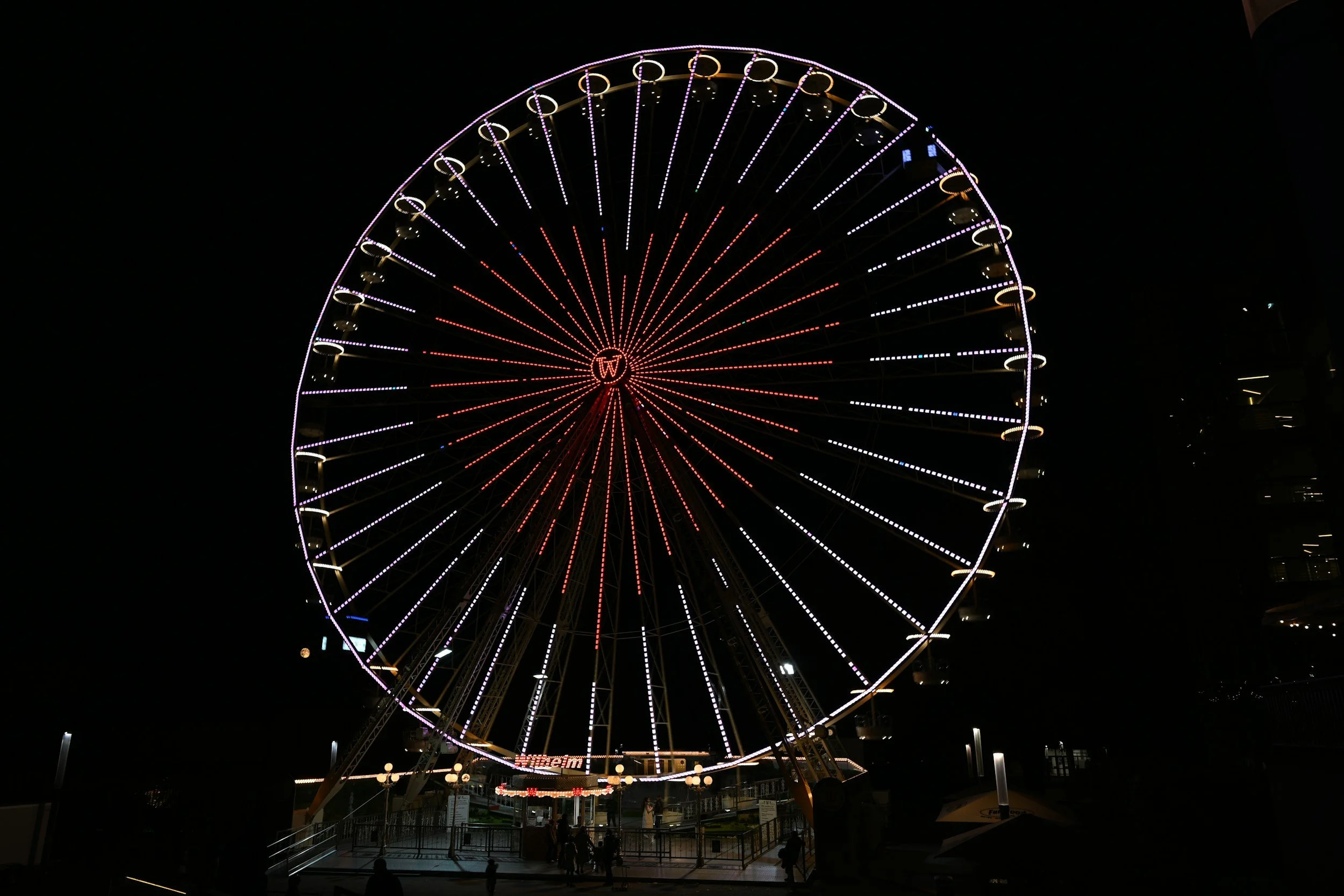
Excitement is often treated as a sign.
Something to follow.
Something to trust.
Something to interpret as fate.
It is given narrative weight.
Romantic significance.
Strategic importance.
But in practice, excitement functions more simply.
It marks moments where attention, energy, and capacity briefly align without resistance.
The system is engaged, but not strained.
Activated, but not braced.
Moving, but not pushed.
Movement feels available rather than forced.
This is why excitement feels different from urgency.
Urgency compresses.
Excitement opens.
Excitement as Information
Excitement does not predict outcomes.
It does not guarantee success.
It does not assign meaning.
It does not promise permanence.
It indicates engagement.
When interest is present without pressure, the nervous system remains open. Thought becomes flexible. Effort feels proportionate.
Action does not require self-coercion.
There is no internal negotiation.
No escalation to override hesitation.
No narrative needed to justify beginning.
Excitement is not instruction.
It is information about internal coherence.
A brief moment where the system agrees with itself.
Why Excitement Feels Clarifying
In moments of excitement, attention narrows naturally.
Not through discipline.
Through interest.
The mind organizes around what feels alive.
Energy concentrates without strain.
Time shifts slightly — not rushed, not stalled.
This clarity is temporary.
But it is instructive.
It reveals what engagement feels like when friction is reduced.
The task itself may be ordinary.
Writing a paragraph.
Rearranging a room.
Researching an idea.
Beginning a conversation.
The difference lies in how the body meets it.
When excitement is present, the beginning feels accessible.
There is no gap between intention and movement.
Small Movements, Real Alignment
Excitement rarely announces itself in grand decisions.
It appears in small impulses.
Curiosity.
Ease.
A willingness to begin.
These moments are subtle.
Often dismissed.
But when honored without expectation, they create continuity.
Alignment is not achieved through a single dramatic leap.
It is maintained through proportionate response to these small openings.
You follow what feels available.
You pause when it does not.
You adjust without self-accusation.
This prevents the cycle of overcommitment followed by depletion.
Effort Without Escalation
Following excitement does not mean avoiding effort.
It means avoiding escalation.
Effort is natural.
Escalation is compensatory.
When excitement is present, effort remains contained.
When excitement is absent, force often substitutes.
Force pushes.
Force justifies.
Force overrides internal feedback.
And force depletes capacity quickly.
Burnout is often enthusiasm that turned into obligation without review.
Recognizing the difference prevents ambition from becoming self-erasure.
When Excitement Is Absent
The absence of excitement does not mean misalignment.
It may signal fatigue.
Saturation.
The need for integration.
Not every moment is meant to feel energized.
Some are meant to feel steady.
Some are meant to feel quiet.
Some are meant to restore.
In these periods, stillness may be the most coherent response.
Excitement returns when conditions allow.
It does not need to be chased.
It reappears when energy, attention, and capacity meet again without resistance.
What Remains
Excitement is not a roadmap.
It is not destiny.
It is not proof.
It is a momentary state of internal agreement.
When noticed without myth or expectation, it becomes a useful reference point.
One that helps distinguish movement that drains from movement that sustains.
Not everything exciting should be pursued.
But what excites you reveals something.
Not about the future.
About the present.
About where your system feels open.
And openness, when treated carefully, is often where alignment begins.
