Recognition in the Numbers
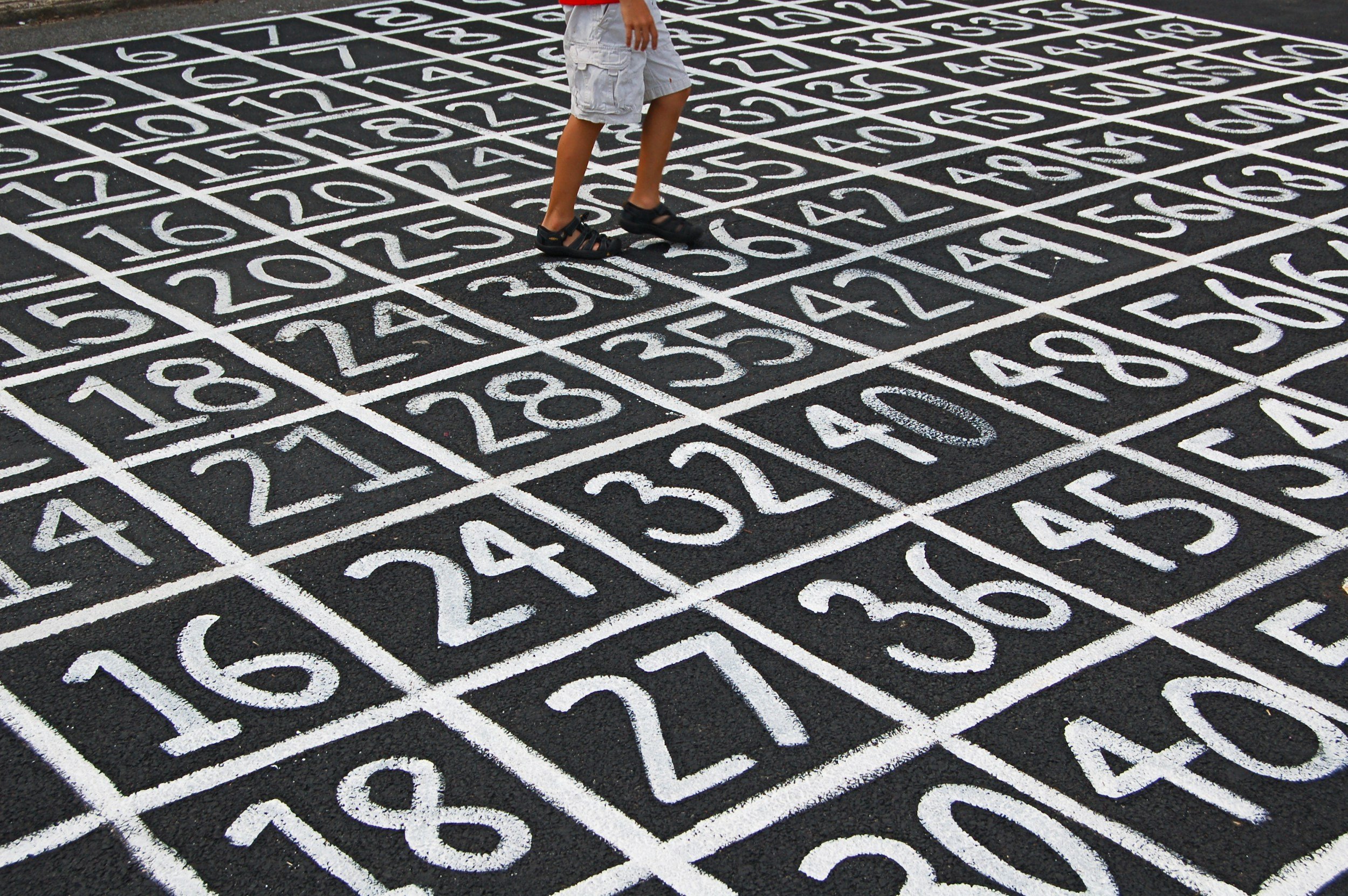
Numbers have always carried a quiet authority.
They appear everywhere — on clocks, addresses, receipts — structuring daily life so seamlessly they are rarely questioned.
They measure.
They organize.
They sequence.
At times, they are also given symbolic meaning.
Not to predict the future.
To offer orientation.
When I first encountered numerology, it did not feel like discovery.
It felt like recognition.
Not because it told me who to become.
Because it gave language to patterns that were already present.
Recognition, Not Revelation
Frameworks of meaning — numerical, philosophical, symbolic — rarely reveal something entirely new.
What they do instead is name what has been implicit.
They function as mirrors rather than instructions.
When something resonates, it is not because it assigns identity.
It reflects it with enough clarity to be acknowledged.
This distinction matters.
Without it, meaning becomes performance.
An attempt to embody what has been prescribed.
With it, meaning becomes orientation.
A way of noticing what has already been consistent beneath fluctuation.
Pattern as Context
In numerology, numbers are often described through tendencies.
How attention moves.
Where energy gathers.
What rhythms repeat.
When approached with care, this kind of framework does not confine.
It contextualizes.
Patterns that once felt personal begin to appear structural.
Behaviors that seemed inconsistent reveal internal logic.
What felt like contradiction becomes intelligible.
Intensity alongside withdrawal.
Vision alongside restlessness.
Depth alongside distance.
Seen as pattern rather than flaw, these movements soften.
This is not destiny.
It is context.
And context restores proportion.
The Informational Value of Shadow
What made these frameworks useful was not affirmation.
It was contrast.
Alongside resonance came recognition of imbalance.
Patterns that emerge under strain.
Habitual responses when steadiness gives way.
Ways of withdrawing.
Ways of scattering.
Ways of compensating.
Shadow, in this sense, is not something to eliminate.
It is information about regulation.
Information about what the system does when it feels unsafe.
Information about how perception narrows under pressure.
Awareness alone does not correct behavior.
But it interrupts momentum.
And interruption is often where choice first becomes possible.
Purpose Without Assignment
Purpose is often framed as something to be discovered.
As if it were hidden.
As if it required decoding.
In practice, direction clarifies gradually as patterns are understood.
It emerges through alignment — between capacity, temperament, and expression.
Frameworks like numerology are useful only insofar as they return attention inward.
The moment they begin assigning identity or prescribing achievement, they lose integrity.
They are not authorities.
They are lenses.
And lenses are meant to clarify, not command.
Confirmation, Not Control
No symbolic system holds authority over lived experience.
At best, it offers confirmation.
Language for what has already been sensed but not yet articulated.
Used this way, frameworks of meaning do not define a life.
They make it more legible.
Legibility restores orientation.
Orientation stabilizes perception.
And stabilized perception allows decisions to be made from coherence rather than confusion.
Numbers do not determine reality.
But sometimes, they name the rhythm already moving beneath it.
And often, that is enough.
